

Short-term construction projects move fast. A site may only be active for a few weeks or months, but during that time it still needs clear boundaries, controlled access, worker protection, public safety, and reliable site security. This is why choosing the right temporary construction fence is not just a purchasing decision. It is a site management decision.
A good temporary fencing system helps contractors prevent unauthorized entry, reduce theft, guide pedestrian movement, separate hazardous work areas, and maintain a professional project appearance. The wrong fence, however, can lead to safety risks, repeated repairs, unstable panels, extra labor costs, and compliance problems.
For short-term construction projects, flexibility is especially important. Contractors often need fencing that can be delivered quickly, installed efficiently, relocated as work progresses, and removed without damaging the site. Different temporary fencing solutions offer different levels of security, durability, visibility, privacy, mobility, and cost efficiency.
This guide explains how to choose the most suitable temporary construction fence for short-term construction sites, including temporary chain link fencing, portable temporary construction fence panels, mesh temporary fencing, construction site hoarding fence, and temporary security fencing.
Why Temporary Fencing Is Necessary for Construction Sites
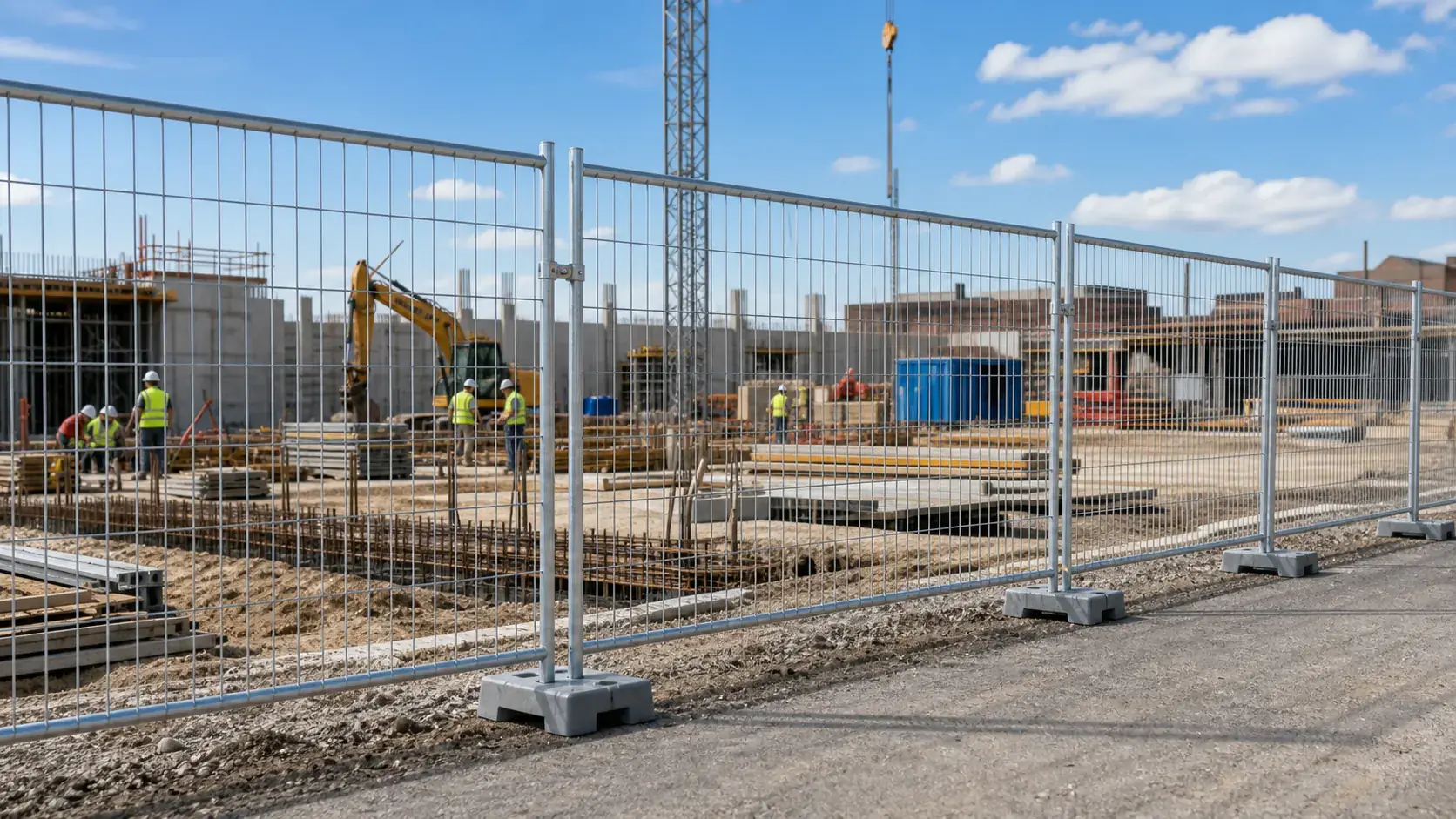
Temporary fencing is one of the first protection systems installed on a construction site. Before machinery arrives, before materials are stored, and before workers begin daily operations, the site perimeter must be clearly defined.
For short-term construction sites, fencing is not only about blocking access. It supports safety planning, theft prevention, traffic control, pedestrian protection, and regulatory compliance.
Prevent Unauthorized Access
Construction sites attract unwanted entry for many reasons. Children may enter out of curiosity. Trespassers may look for shortcuts. Thieves may target tools, copper, fuel, machinery parts, or building materials.
A temporary construction fence creates a physical barrier that discourages unauthorized access. Even on a small residential project, a clear perimeter helps people understand where public space ends and restricted construction space begins.
For higher-risk sites, contractors may combine fencing with lockable gates, anti-climb mesh, warning signs, privacy screens, and temporary security fence systems.
Improve Site Security
Construction site security is a major concern for contractors and developers. Short-term sites can be especially vulnerable because materials and equipment are often moved in and out frequently. A weak or poorly installed fence may leave gaps that make theft easier.
A well-designed fencing layout improves site perimeter protection by controlling entry points and reducing blind spots. Temporary chain link fencing for construction sites is often used when visibility is important, while solid hoarding may be selected when privacy and stronger separation are required.
For valuable equipment storage areas, portable fencing can also be used inside the site to create secondary security zones.
Protect Workers and Pedestrians
Construction areas may include excavations, moving vehicles, unstable surfaces, falling object risks, electrical work, demolition debris, or heavy equipment operation. Temporary fencing helps separate workers, visitors, pedestrians, and vehicles.
On urban projects, the fence line is often part of public safety planning. It can guide foot traffic, protect sidewalks, and prevent pedestrians from entering dangerous zones. On industrial or infrastructure projects, fencing may also protect workers from vehicle routes or restricted operational areas.
Construction safety fencing should always be visible, stable, and suitable for the hazards near it.
Meet Construction Safety Regulations
Most construction projects must follow local safety rules, site access requirements, and public protection standards. The exact requirements depend on the country, region, project type, and work environment.
For contractors, this means temporary fencing should not be selected only by price. The fence must also match the project's risk level and compliance expectations.
Some projects may require documented product specifications, certified materials, wind-load considerations, anti-climb features, or a CE certification construction site hoarding temporary fence where certified products are specified in tender documents or local market requirements.
Key Factors to Consider Before Choosing a Temporary Construction Fence

Before buying or renting fencing, evaluate the site carefully. A temporary construction fence that works well for a small residential build may not be suitable for a roadside utility project or a public infrastructure site.
Project Duration
The shorter the project, the more important installation speed and removal efficiency become.
For a project lasting a few days or weeks, portable temporary construction fence panels are often a practical option. They can be installed quickly, relocated easily, and removed without permanent foundation work.
For projects lasting several months, contractors may need stronger panels, heavier bases, bracing systems, anti-lift devices, or more durable galvanized finishes. If the site will be exposed to wind, frequent contact, or public traffic, investing in a stronger system can reduce maintenance costs.
As a simple rule:
| Project Duration | Suitable Fencing Approach |
|---|---|
| A few days | Lightweight mesh or portable panels |
| 2-8 weeks | Portable temporary construction fence panels |
| 2-6 months | Heavy-duty temporary fence panels or chain link fence |
| Longer or high-risk short-term project | Reinforced temporary security fence or hoarding fence |
Site Location and Environment
Location has a major impact on fence selection.
A city center construction site may need solid hoarding to protect pedestrians, reduce dust, improve appearance, and prevent public visibility into hazardous areas. A rural utility project may only require mesh temporary fencing or portable panels to mark the work zone.
Consider these conditions:
- Is the site near pedestrians or traffic?
- Is the ground level, sloped, soft, or uneven?
- Is the area exposed to strong wind?
- Will the fence be moved during the project?
- Is public visibility a benefit or a risk?
- Are there theft concerns?
- Are there local rules about height, stability, signage, or access control?
For windy sites, mesh or chain link systems usually allow better airflow than solid hoarding. For public-facing sites, hoarding may look cleaner and provide better privacy, but it requires stronger support and careful installation.
Security Level Requirements
Not every site needs the same security level.
A small home renovation may only need a basic portable fencing system to keep pedestrians away from the work area. A commercial project with stored materials may need stronger panels, lockable gates, and anti-climb fencing. A government infrastructure project may require controlled access points, CCTV compatibility, and certified perimeter fencing.
Security level should be based on:
- Value of stored equipment and materials
- Risk of theft or vandalism
- Proximity to public areas
- Work hazards inside the site
- Nighttime exposure
- Need for access control
- Insurance or contract requirements
If security is the main concern, a temporary security fence with anti-climb mesh, clamps, bracing, and secure gates is usually a better choice than lightweight mesh fencing.
Installation and Removal Speed
For short-term construction sites, time is money. Contractors need fencing that can be installed quickly without specialized equipment.
Portable temporary construction fence panels are popular because they use freestanding bases and panel-to-panel clamps. Workers can install long fence lines quickly, and panels can be repositioned as the project layout changes.
Chain link temporary fencing may require more labor, especially if posts are driven or set into the ground. However, it can be stronger and more suitable for longer perimeters.
Hoarding fence may require more planning, support structures, and installation time. It is best used when privacy, public protection, appearance, or compliance requirements justify the extra cost.
Budget Considerations
The cheapest fence is not always the lowest-cost fence.
A low-cost panel may look attractive at purchase, but if it bends easily, falls in wind, requires frequent repair, or fails inspection, the total project cost increases. For short-term projects, the best value usually comes from balancing cost, durability, installation speed, and security needs.
Budget planning should include:
- Fence panel cost
- Bases or feet
- Clamps and couplers
- Bracing or stabilizers
- Gates
- Delivery cost
- Installation labor
- Removal labor
- Maintenance
- Replacement parts
- Storage after project completion
For contractors handling multiple projects, buying durable temporary fence panels may be more cost-effective than renting low-grade fencing repeatedly.
Common Types of Temporary Construction Fence
Different temporary fencing systems are designed for different site conditions. Choosing correctly starts with understanding the strengths and limits of each option.
Temporary Chain Link Fencing for Construction Sites
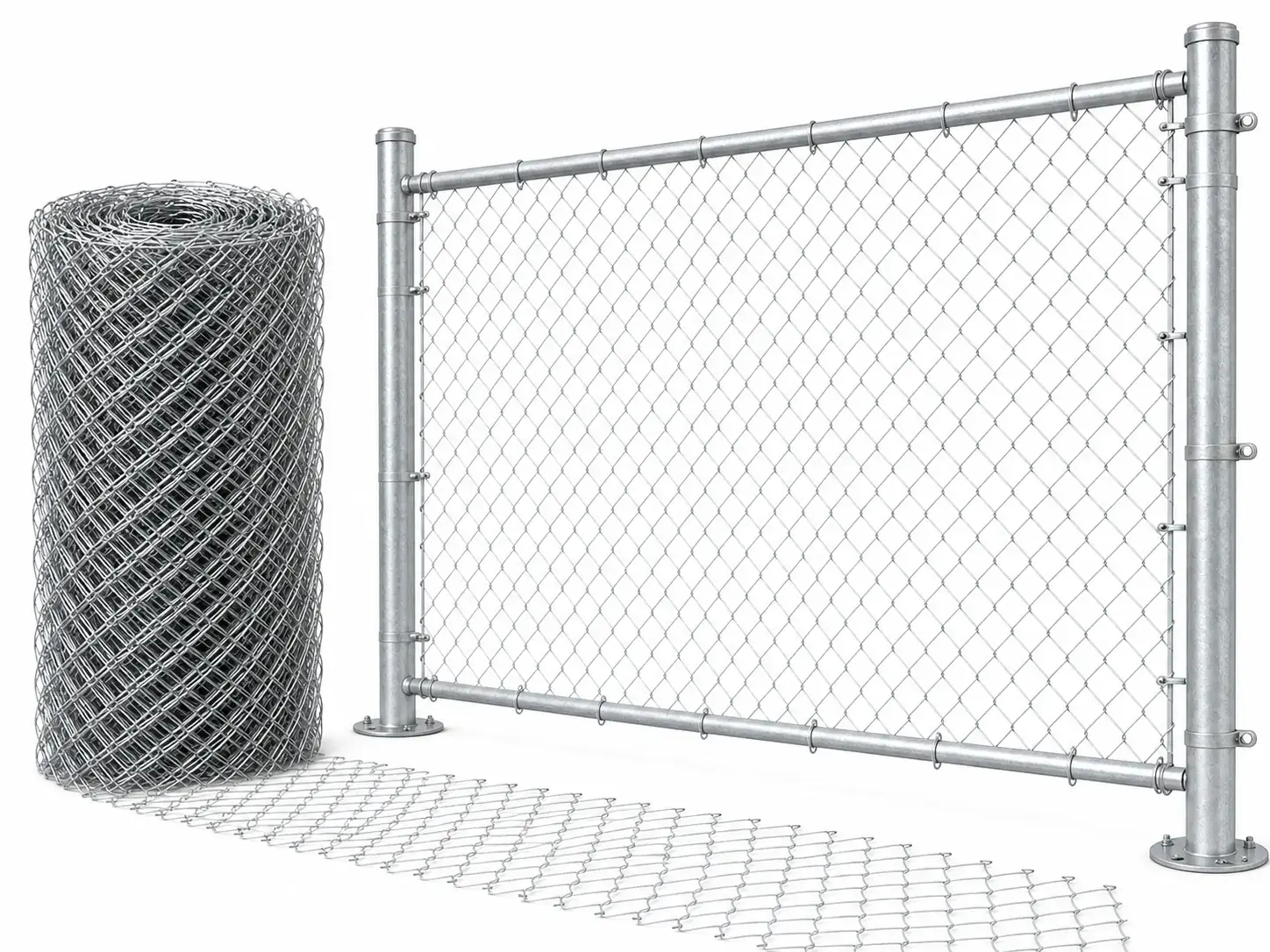
Temporary chain link fencing for construction sites is one of the most widely used perimeter fencing solutions. It usually consists of chain link mesh, steel posts, rails or frames, and support bases or driven posts.
This type of fence is strong, durable, and highly visible. Because it allows visibility through the mesh, site managers and security teams can monitor activity inside and outside the perimeter.
Best for:
- Commercial construction sites
- Roadworks
- Utility projects
- Equipment storage areas
- Medium-risk construction zones
- Sites requiring visibility and airflow
Advantages:
- Good durability
- Strong perimeter protection
- Allows visibility
- Suitable for uneven layouts
- Can be combined with privacy screen
- Good for medium to longer short-term projects
Limitations:
- May take longer to install than panel systems
- Less privacy unless screen is added
- Driven-post systems may not be suitable for all surfaces
Temporary chain link fencing is a strong choice when contractors need a balance of security, visibility, and cost efficiency.
Portable Temporary Construction Fence Panels
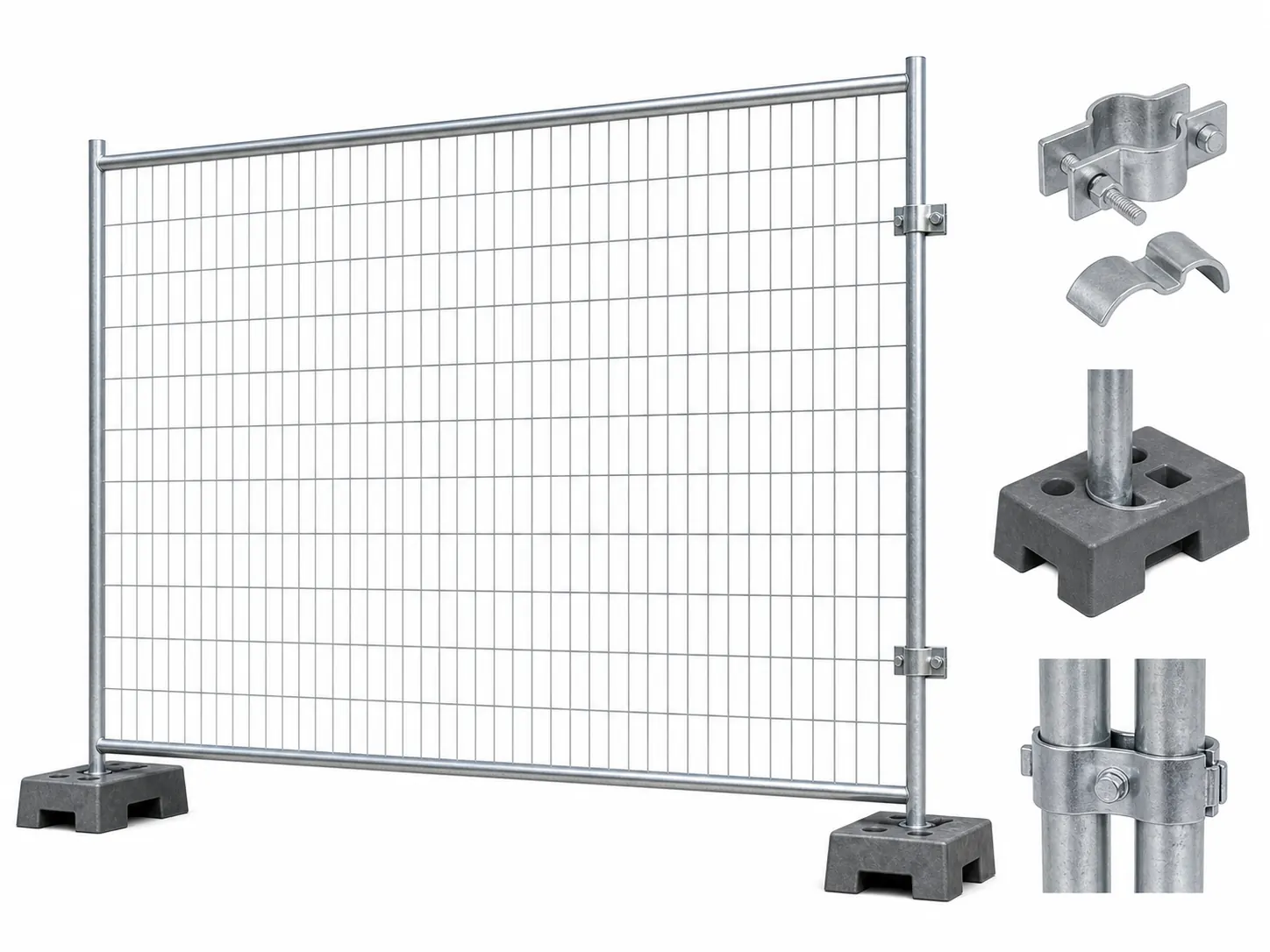
Portable temporary construction fence panels are freestanding fence panels connected with clamps and supported by temporary bases. They are one of the most flexible options for short-term construction projects.
Because they do not require permanent foundations, they are easy to install, move, and remove. This makes them suitable for fast-changing construction environments.
Best for:
- Residential construction
- Short-term commercial projects
- Temporary work zones
- Interior site separation
- Projects with changing layouts
- Contractors needing reusable fencing
Advantages:
- Fast installation
- Easy relocation
- Reusable across projects
- No ground drilling required
- Suitable for rental or purchase
- Works well with gates and stabilizers
Limitations:
- Needs proper bases and bracing in windy areas
- Low-quality panels may bend under impact
- Security level depends on mesh, frame, clamps, and anchoring
For many short-term projects, portable temporary construction fence panels offer the best combination of speed, flexibility, and cost control.
Mesh Temporary Fence Systems
Mesh temporary fencing is lightweight, flexible, and easy to transport. It may be made from plastic mesh, welded wire mesh, or lightweight steel mesh depending on the application.
This fencing is often used for low-risk areas, pedestrian guidance, landscaping work, small excavation zones, and short-duration construction activities.
Best for:
- Low-risk construction zones
- Landscaping and maintenance work
- Internal site separation
- Pedestrian guidance
- Utility marking
- Short-duration temporary barriers
Advantages:
- Lightweight
- Easy to transport
- Quick to install
- Lower cost
- Good visibility
- Suitable for temporary work areas
Limitations:
- Lower security
- Less impact resistance
- Not ideal for high-theft sites
- May not meet stricter public protection requirements
Mesh temporary fencing is useful when the main goal is marking boundaries rather than preventing forced entry.
Construction Site Hoarding Fence
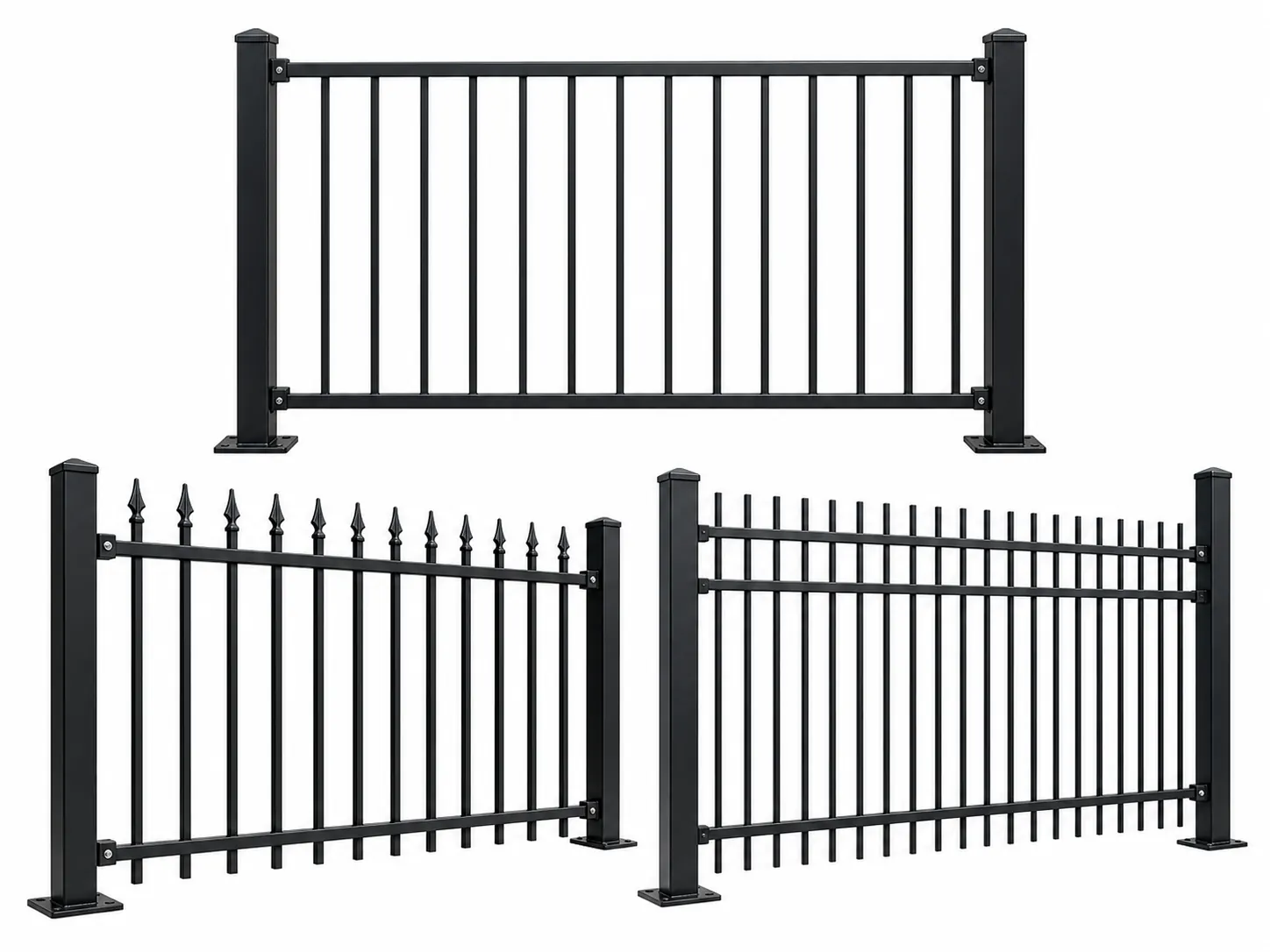
A construction site hoarding fence is a solid or semi-solid barrier used to separate construction work from public areas. It is commonly made from steel panels, timber boards, composite materials, or framed metal sheets.
Hoarding is often used where appearance, privacy, dust control, noise reduction, or stronger public separation is important.
Best for:
- Urban construction sites
- Commercial developments
- Demolition projects
- Public infrastructure works
- Shopping area renovations
- High-visibility construction zones
Advantages:
- Strong visual barrier
- Improves site privacy
- Helps protect pedestrians
- Can improve project appearance
- Reduces public exposure to site hazards
- Can support branding or safety signage
Limitations:
- Higher cost
- Slower installation
- Requires stronger support
- More wind load than open mesh fencing
- Less visibility for security monitoring
For public-facing projects, especially in urban areas, hoarding often provides a more professional and controlled perimeter than open mesh fencing.
Temporary Security Fence
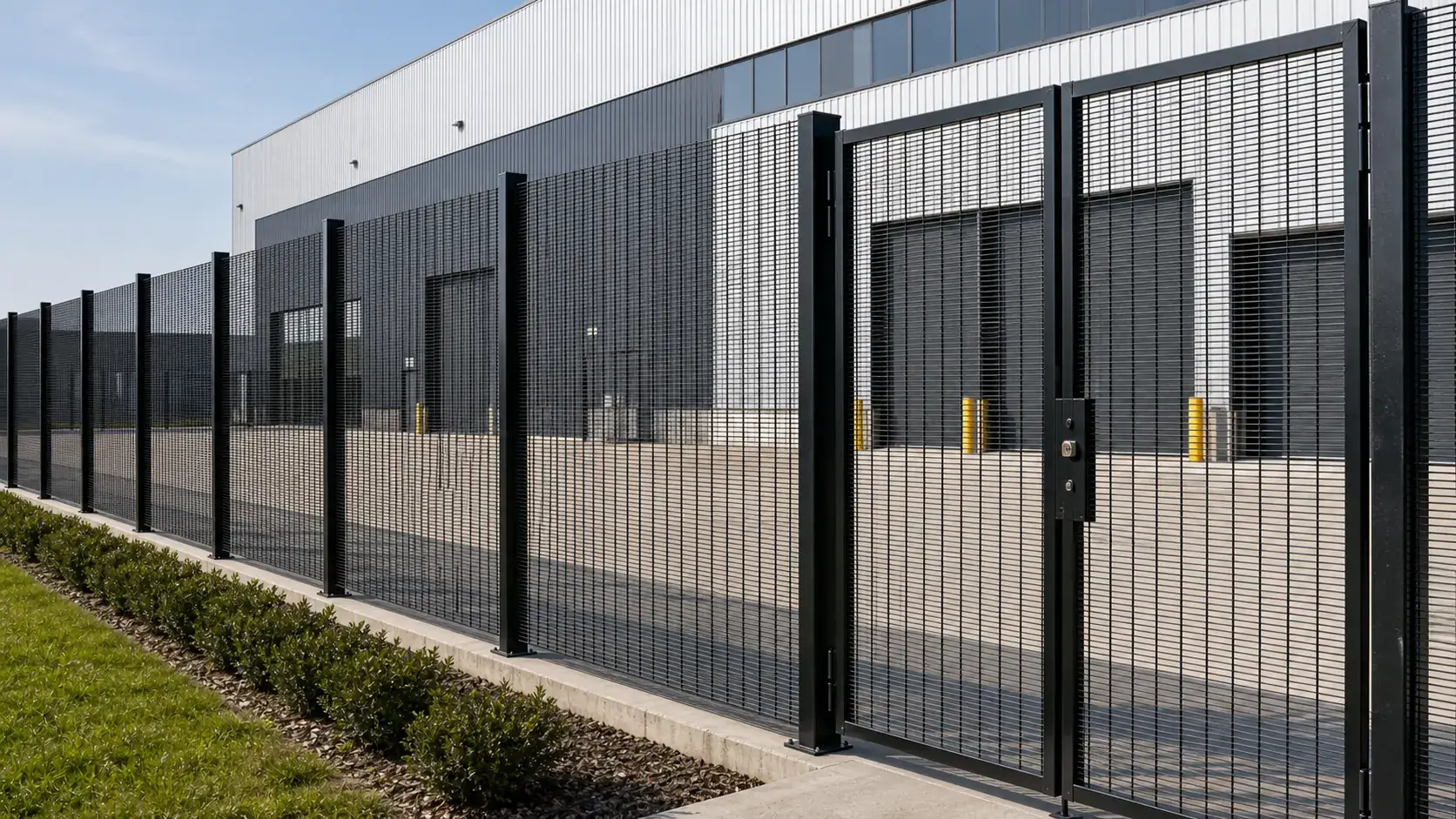
A temporary security fence is designed for higher-risk construction sites where theft prevention, access control, and strong perimeter protection are priorities.
Security fencing may include anti-climb mesh, reinforced frames, tamper-resistant clamps, heavy bases, ground anchors, barbed wire extensions where allowed, lockable gates, and CCTV integration.
Best for:
- Industrial construction sites
- Government projects
- Infrastructure projects
- Sites with expensive equipment
- Material storage areas
- High-theft locations
- Restricted-access zones
Advantages:
- Higher security level
- Better access control
- Stronger anti-climb design
- Can integrate with surveillance
- Suitable for valuable assets
- Helps reduce vandalism risk
Limitations:
- Higher initial cost
- More planning required
- May require compliance checks
- Installation may take longer
Temporary security fencing is the right choice when the cost of theft, damage, or unauthorized access is higher than the cost of better fencing.
Comparison Table of Major Temporary Fencing Options
| Fence Type | Security Level | Installation Speed | Mobility | Privacy | Best Use | Cost Level |
|---|---|---|---|---|---|---|
| Temporary Chain Link Fence | Medium to High | Medium | Medium | Low unless screened | Commercial sites, roadworks, utility projects | Medium |
| Portable Temporary Construction Fence Panels | Medium | Fast | High | Low to Medium with screen | Short-term projects, changing layouts | Low to Medium |
| Mesh Temporary Fence Systems | Low to Medium | Very Fast | High | Low | Low-risk zones, pedestrian guidance | Low |
| Construction Site Hoarding Fence | Medium to High | Slow to Medium | Low to Medium | High | Urban sites, public-facing projects | Medium to High |
| Temporary Security Fence | High | Medium | Medium | Medium | High-risk sites, equipment storage, restricted zones | High |
How to Match the Fence Type to Your Project
The best temporary construction fence depends on the site's real working conditions. Below are practical examples.
Residential Construction
For a single-family home build, renovation, or small property development, portable temporary construction fence panels are usually the most practical option. They are fast to install, easy to relocate, and suitable for separating the work area from neighbors, pedestrians, and vehicles.
If the site stores tools overnight, choose stronger welded mesh panels with secure clamps and a lockable gate.
Commercial Construction
Commercial projects often have higher traffic, more workers, more deliveries, and more valuable materials. Temporary chain link fencing for construction sites or heavy-duty portable panels are good choices.
If the site faces a public road or shopping area, adding privacy screen or using hoarding can improve appearance and public protection.
Roadworks
Roadworks require visibility, traffic guidance, and fast installation. Mesh temporary fencing or portable panels are often used to separate workers from pedestrians and vehicles.
For longer road construction projects, chain link temporary fencing may be used around storage yards, machinery areas, and restricted access points.
Utility Projects
Utility projects often move from one location to another. This makes lightweight mesh fencing or portable temporary construction fence panels useful. The fencing should be easy to transport and quick to reposition.
For excavation zones, the fence must be stable and clearly visible. Warning signs and controlled access points are especially important.
Infrastructure Projects
Infrastructure projects such as bridges, rail work, public facilities, and government projects often require stronger site perimeter protection. Temporary security fencing, chain link fencing, or certified hoarding systems may be required depending on contract specifications.
For public infrastructure, documented product quality, stable installation, and compliance with project requirements are especially important.
Industrial Construction Sites
Industrial sites may involve heavy machinery, hazardous materials, restricted zones, or valuable equipment. A high-security temporary fence is usually recommended.
Use anti-climb panels, secure gates, reinforced clamps, and bracing. If the site operates near an active facility, internal temporary fencing may also be needed to separate construction work from daily operations.
Understanding CE Certification Construction Site Hoarding Temporary Fence
For projects in markets where European standards or formal product documentation are required, contractors may encounter the term CE certification construction site hoarding temporary fence.
What CE Certification Means
CE marking indicates that a product has been assessed according to applicable European requirements. For construction products, CE marking is generally linked to declared performance and applicable technical standards or assessments.
In practical terms, CE documentation helps buyers understand that the product has been evaluated according to recognized requirements. However, not every temporary fence product is automatically required to carry CE marking. Requirements depend on product category, market, applicable regulations, and project specifications.
Why Certification Matters
Certification and documented product performance can matter for several reasons:
- Tender documents may require certified products
- Government projects may request formal compliance documents
- Contractors may need traceable product specifications
- Developers may want quality assurance before approval
- Importers may need documentation for local market access
- Site managers may require proof of material strength or coating quality
For hoarding fence systems, certification can help demonstrate that panels, materials, coatings, and structural performance meet specified requirements.
Benefits for Contractors
Choosing a certified or well-documented hoarding temporary fence can reduce approval delays and support smoother communication with project owners, inspectors, and safety managers.
Key benefits include:
- Better trust in product quality
- Easier project documentation
- Stronger compliance support
- More professional tender submission
- Reduced risk of product rejection
- Improved confidence for public-facing projects
Compliance Considerations
Before purchasing a CE certification construction site hoarding temporary fence, ask the supplier for relevant documents, including product specifications, material information, coating details, test reports where available, installation guidance, and certification documents.
Contractors should also confirm local requirements before ordering, because compliance rules vary by country, city, and project type.
Cost vs Security: Finding the Right Balance
Every contractor wants to control cost, but construction fencing should be evaluated by total value rather than panel price alone.
Low-Cost Options
Low-cost fencing may be suitable for:
- Short-duration projects
- Low-risk locations
- Internal separation
- Landscaping work
- Light pedestrian control
- Small residential projects
Examples include lightweight mesh fencing and basic portable fence panels.
The risk is that low-cost products may have thinner frames, weaker welds, lighter bases, or poor corrosion resistance. If the fence falls, bends, rusts, or requires frequent repair, it can become more expensive over the project lifecycle.
Higher-Security Options
High-security options are better for:
- Sites with expensive machinery
- High-theft locations
- Public infrastructure projects
- Long perimeter lines
- Urban construction
- Industrial projects
- Restricted access zones
Examples include heavy-duty chain link fencing, anti-climb temporary security fence panels, reinforced gates, and construction site hoarding fence.
The right decision is not always the strongest fence. The right decision is the fence that matches the site risk, project duration, public exposure, and budget.
Common Mistakes When Selecting Temporary Fencing
1. Choosing Only by Price
The cheapest fence may not provide enough stability, security, or durability. Compare material thickness, frame strength, base design, coating quality, and accessories before deciding.
2. Ignoring Wind Conditions
Solid hoarding and privacy-screened panels catch more wind than open mesh fencing. In windy areas, use proper bracing, heavier bases, or engineered support systems.
3. Underestimating Access Control
A fence without a proper gate plan creates daily site problems. Plan vehicle gates, pedestrian gates, delivery access, emergency access, and lock systems before installation.
4. Using Low-Security Fencing for High-Risk Sites
Lightweight mesh fencing is not suitable for sites with expensive tools, fuel, copper, or machinery. Use temporary security fencing where theft prevention is important.
5. Forgetting Public Safety
A construction fence should protect the public, not just the contractor's materials. Make sure the fence line does not create pedestrian hazards, sharp edges, unstable bases, or blocked walkways.
6. Not Checking Local Requirements
Different regions may have rules about fence height, stability, signage, public walkways, hoarding appearance, or certified products. Always check local project requirements before ordering.
7. Poor Installation
Even a strong temporary construction fence can fail if it is installed incorrectly. Use proper clamps, bases, bracing, anchors, and gates. Inspect the fence regularly during the project.
Final Checklist Before Purchasing Temporary Fencing

Use this buyer's checklist before ordering temporary fencing for a short-term construction site.
Buyer's Checklist
- Have you confirmed the project duration?
- Have you measured the full perimeter length?
- Have you identified all gate locations?
- Do you need pedestrian gates, vehicle gates, or both?
- Is the site in a windy area?
- Is privacy required?
- Is public protection a major concern?
- Are theft or vandalism risks high?
- Do you need anti-climb fencing?
- Will the fence need to move during the project?
- Is the ground concrete, soil, gravel, asphalt, or uneven?
- Do you need bases, clamps, braces, anchors, or stabilizers?
- Are warning signs required?
- Do local regulations specify fence height or type?
- Does the project require CE certification or product documentation?
- Are coating and corrosion resistance important?
- Will you rent or purchase the fence?
- Can the supplier provide replacement parts?
- Does the supplier provide installation guidance?
- Is the total cost based on full system cost, not just panel price?
FAQ: Temporary Construction Fence
1. What is the best temporary construction fence for a short-term project?
For most short-term construction projects, portable temporary construction fence panels are the most practical choice because they are fast to install, easy to relocate, and cost-effective. For higher-security projects, chain link fencing or temporary security fencing may be better.
2. When should I use temporary chain link fencing for construction sites?
Temporary chain link fencing for construction sites is ideal when you need stronger perimeter protection, visibility, airflow, and durability. It is commonly used for commercial construction, roadworks, utility projects, and equipment storage areas.
3. Are portable temporary construction fence panels reusable?
Yes. Good-quality portable temporary construction fence panels are designed for repeated use. Contractors who manage multiple projects often purchase panels because they can be stored, transported, and reused on future job sites.
4. Do I need hoarding instead of mesh fencing?
Use construction site hoarding fence when privacy, public protection, appearance, dust control, or stronger visual separation is important. Mesh fencing is better for low-risk areas where visibility, airflow, and fast installation are priorities.
5. What should I ask a temporary fencing supplier before buying?
Ask about panel size, wire diameter, frame thickness, surface treatment, base type, clamp design, bracing options, gate options, certification documents, loading quantity, installation guidance, and replacement parts. A reliable supplier should help match the fencing system to your project conditions.
Conclusion
Choosing the right temporary construction fence for a short-term construction site requires more than selecting the lowest price. Contractors must consider project duration, site location, security level, public exposure, installation speed, compliance needs, and total project cost.
For flexible short-term work, portable temporary construction fence panels are often the most efficient solution. For stronger perimeter protection, temporary chain link fencing for construction sites provides a reliable balance of security and visibility. For urban or public-facing projects, construction site hoarding fence offers privacy, professional appearance, and stronger public separation. For high-risk sites, a temporary security fence with anti-climb features, secure gates, and reinforced accessories is the better investment.
A well-chosen temporary fencing system protects workers, pedestrians, equipment, and project progress. It also helps contractors maintain compliance, reduce risk, and manage the site more efficiently.
As an experienced temporary fencing manufacturer and supplier, the best advice is simple: match the fence to the real conditions of the project. When the fencing system fits the site, the project becomes safer, more organized, and easier to control from the first day to final removal.